
+(34) 93.002.89.32 / +(34) 627.09.62.68
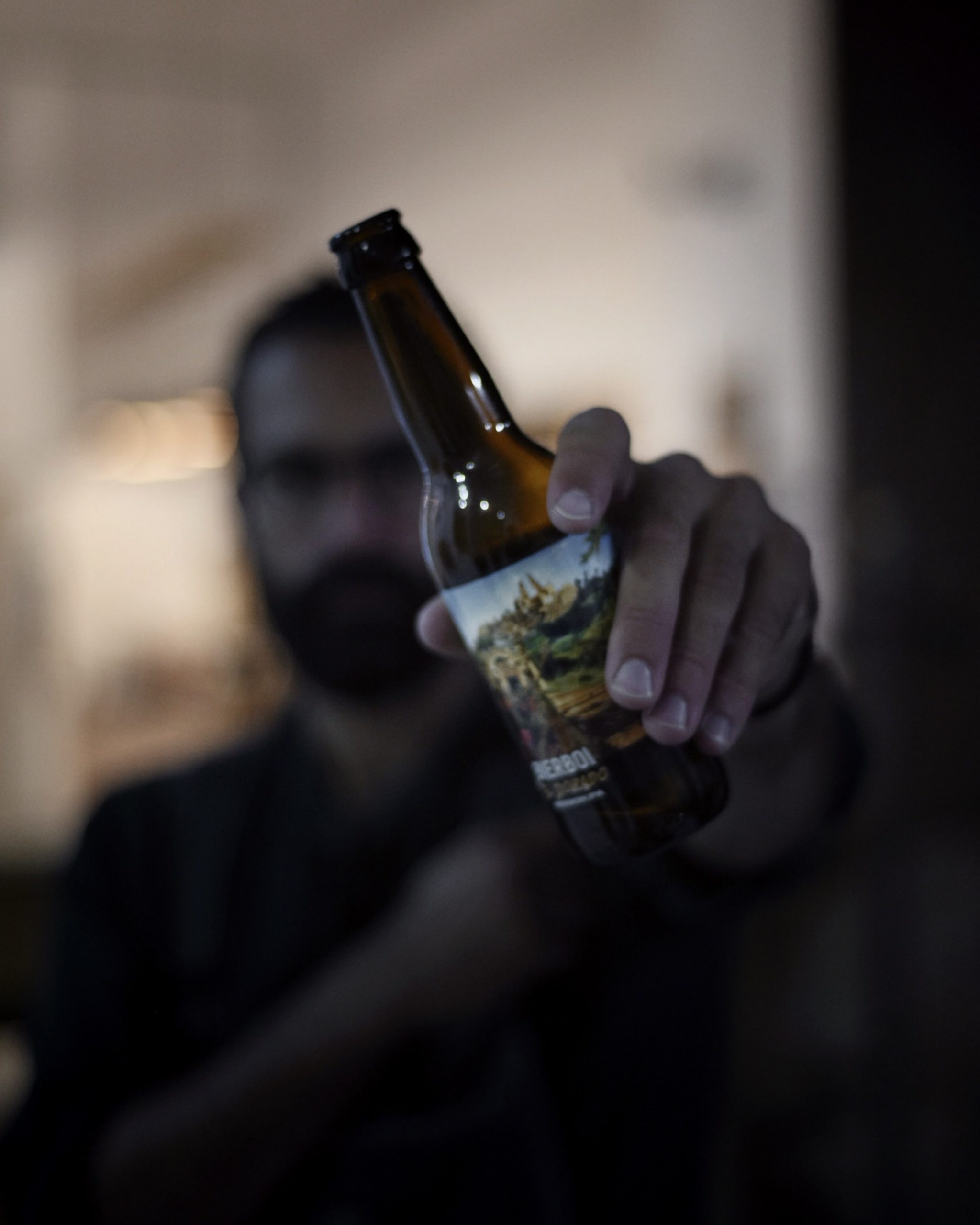
Si alguna vez has levantado un cuerno (o una jarra, que también vale) y has pensado “esto sabe a historia”, probablemente estabas bebiendo hidromiel. Yo la llamo la bebida con más épica por mililitro: dulce, aromática, con ese toque ancestral que te transporta directo a un banquete vikingo… o a una noche de risas con amigos. Hoy quiero contarte la historia de la hidromiel desde sus orígenes hasta su resurgimiento moderno, porque sí: la hidromiel no es una moda, es un regreso triunfal.
Empecemos por el principio (y por el sabor). La hidromiel es una bebida alcohólica fermentada hecha a base de miel, agua y levadura. Así de simple… y así de poderosa. Es considerada por muchos como una de las bebidas alcohólicas más antiguas del mundo. ¿La razón? La miel ha estado disponible desde tiempos prehistóricos y, si mezclas miel con agua y dejas que la naturaleza haga lo suyo, la fermentación aparece casi “por accidente”.
De hecho, hay teorías que dicen que la hidromiel pudo surgir cuando la lluvia entró en un panal, se mezcló con la miel y fermentó con levaduras naturales. Resultado: un líquido dorado con carácter, perfecto para celebraciones, rituales y, seamos honestos, para brindar por cualquier excusa.
La historia de la hidromiel está ligada a lo simbólico. En muchas culturas antiguas, la miel era un alimento casi divino: difícil de conseguir, valioso y asociado a la naturaleza y la fertilidad. Así que convertirla en bebida era como embotellar un pequeño lujo, un “elixir” digno de dioses y reyes.
Hay registros y evidencias de bebidas fermentadas con miel en regiones de Asia, África y Europa desde hace miles de años. Y no solo se bebía por placer: se usaba en ceremonias, celebraciones de cosecha, pactos y rituales de paso. La hidromiel era, literalmente, una bebida con historia… y con propósito.
Si hablamos de cultura y celebración, los antiguos griegos sabían lo que hacían. Para ellos, la hidromiel tenía un aura especial. Se la asociaba con lo divino, con la inspiración y con los rituales. En algunos relatos se menciona como una bebida cercana a la ambrosía, esa “comida de dioses” que sonaba increíble… pero que era poco probable que te sirvieran en un bar de barrio.
En los banquetes griegos, donde se mezclaban conversación, música y filosofía, las bebidas cumplían un rol social clave: unir, relajar, celebrar. Y en ese contexto, la hidromiel entraba como un símbolo de tradición, placer y comunidad. No era solo “beber”: era compartir un momento.
Los celtas también le dieron a la hidromiel un lugar privilegiado. En muchas comunidades celtas, las bebidas fermentadas formaban parte de celebraciones estacionales, festividades agrícolas y rituales vinculados a la naturaleza. Y claro: la miel, como producto del trabajo incansable de las abejas, tenía un simbolismo potente.
Me encanta imaginar esos encuentros alrededor del fuego, con historias, música y brindis que no eran “porque sí”, sino porque el grupo importaba. En ese sentido, la hidromiel era una excusa perfecta para reunir a la gente: una bebida social antes de que existiera el concepto de “planazo”.
Vale, aquí es donde a mí se me nota la sonrisa. Cuando pensamos en vikingos, imaginamos banquetes, cantos, madera, hierro… y, por supuesto, hidromiel. En la tradición nórdica, la hidromiel aparece en mitos y poemas como una bebida de celebración, de victoria, de honor. Era un símbolo de estatus y también una forma de reforzar la cohesión del grupo: beber juntos era “ser tribu”.
Y aunque la realidad histórica es más variada (también bebían cerveza, por ejemplo), la hidromiel se quedó grabada como la bebida con narrativa. No solo llena el vaso: llena la escena. Te mete en el papel. Te hace sentir que estás viviendo algo especial.
Por eso, hoy en día, cuando busco un plan diferente con amigos, pareja o compañeros de trabajo, la hidromiel encaja como un guante: tiene historia, tiene estética, y tiene ese punto divertido que convierte una quedada normal en una experiencia para recordar.
Con el paso de los siglos, la hidromiel fue perdiendo protagonismo en muchas regiones. ¿Por qué? Principalmente por economía y disponibilidad: la miel era más cara y limitada que otros ingredientes como cereales (para cerveza) o uvas (para vino), y además la producción se adaptó a lo que era más fácil de escalar.
En algunos lugares, la hidromiel se mantuvo como bebida tradicional, pero en otros quedó relegada a lo anecdótico, lo local o lo festivo. Aun así, nunca desapareció del todo: se quedó agazapada en recetarios, en celebraciones puntuales y en la memoria cultural. Como si estuviera esperando su momento de volver a conquistar paladares.
Y aquí viene lo bueno: en los últimos años, la hidromiel ha regresado con un estilo renovado. Entre el auge de lo artesanal, la curiosidad por lo histórico y el deseo de vivir experiencias diferentes, la hidromiel ha encontrado un nuevo público: gente que quiere beber algo con personalidad, con relato y con sabor real.
Hoy puedes encontrar hidromiel más seca, más dulce, especiada, frutada… y eso abre un mundo de posibilidades. Ya no es “una bebida rara”: es una alternativa con carisma para brindar en cumpleaños, reuniones, despedidas, celebraciones y planes originales.
Además, la hidromiel tiene algo que me encanta: se presta al juego. A comparar aromas, a descubrir matices, a decir “esta me recuerda a…” y montar conversación. Es la bebida perfecta para romper el hielo en grupos y para darle un toque temático a una quedada.
En pleno siglo XXI, la hidromiel se ha consolidado como bebida de elección en festividades y reuniones contemporáneas, especialmente cuando el objetivo no es “tomar algo” sin más, sino vivir un momento distinto. Y ahí es donde encaja como anillo al dedo en planes con amigos, parejas, familias o compañeros de trabajo.
Porque seamos sinceros: todos hemos hecho el típico plan repetido. Está bien, pero… ¿y si hoy te apetece una historia que contar mañana? La hidromiel aporta ese componente narrativo: te conecta con lo antiguo, con lo ritual, con lo festivo. Y, encima, sabe increíble.
Si a mí me pides una receta para una tarde-noche memorable, te digo: buen ambiente, risas, un toque de desafío y una bebida con alma. Y ahí es donde la hidromiel se convierte en la compañera ideal para una experiencia temática vikinga. Porque no solo bebes: entras en personaje, te sueltas, te ríes más y te sientes dentro de una historia.
En planes para amigos, la hidromiel es ese “detalle” que eleva la reunión. En planes de pareja, crea un momento distinto y cómplice. En planes con familia, aporta el toque especial (y para los más curiosos, mucha conversación histórica). Y en planes con compañeros de trabajo, es un recurso perfecto para romper la rutina y fomentar el buen rollo.
Y si además lo combinas con actividades de grupo, dinámicas, torneos o una experiencia diseñada a medida, ya tienes el combo completo: diversión + cohesión + recuerdos.
La hidromiel ha viajado desde la Antigüedad hasta hoy pasando por civilizaciones, rituales, mitos, celebraciones y resurgimientos. Ha sido símbolo de lo sagrado, de lo comunitario y de lo festivo. Y ahora vuelve con fuerza porque, en el fondo, seguimos buscando lo mismo que buscaban hace siglos: brindar, celebrar y conectar.
Así que la próxima vez que pienses “quiero un plan diferente”, acuérdate de esta bebida dorada con historia. Yo lo tengo claro: si hay que brindar, que sea con hidromiel. Y si hay que vivirlo, que sea a lo grande.